NeuroMeet 2026 – bridging neuroscience, AI, and applied neuroinformatics
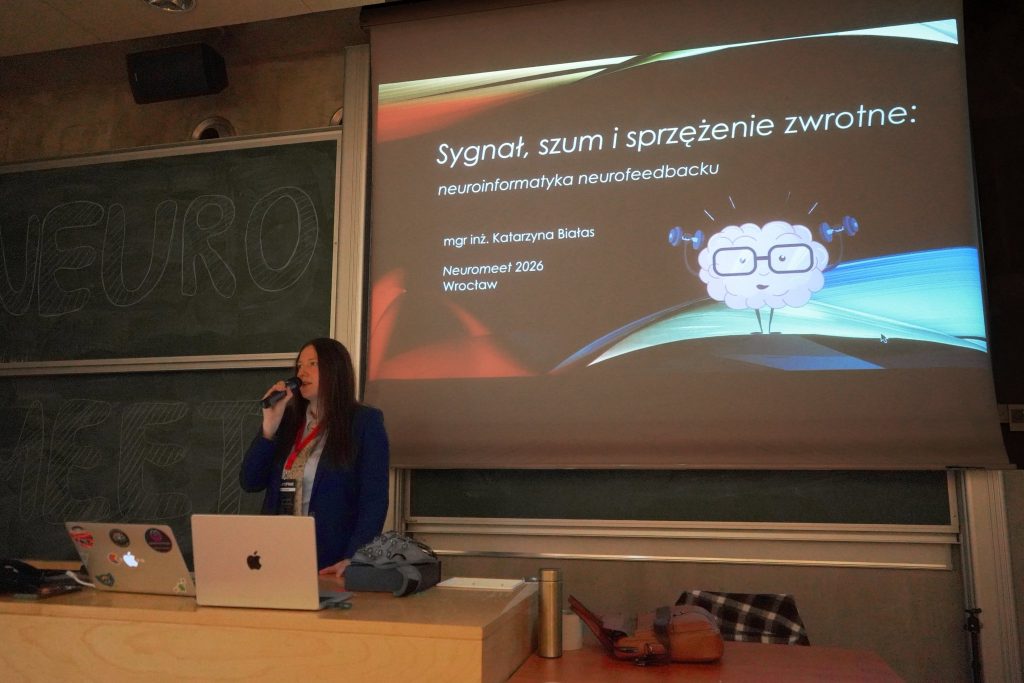
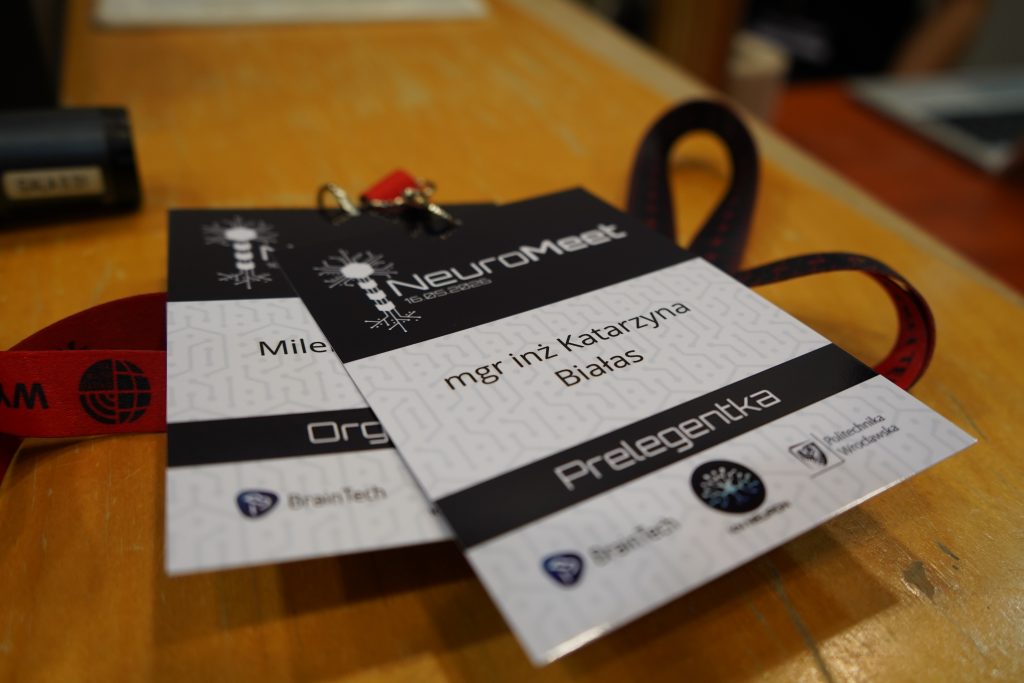
On 16 May 2026, I had the opportunity to participate in NeuroMeet as a speaker – a student-organized conference dedicated to neuroscience, neuroinformatics, and emerging neurotechnologies. From my perspective as a practitioner working at the intersection of neuroinformatics and applied AI, it was a particularly well-structured and professionally executed event that clearly exceeded typical expectations for a student-led initiative.
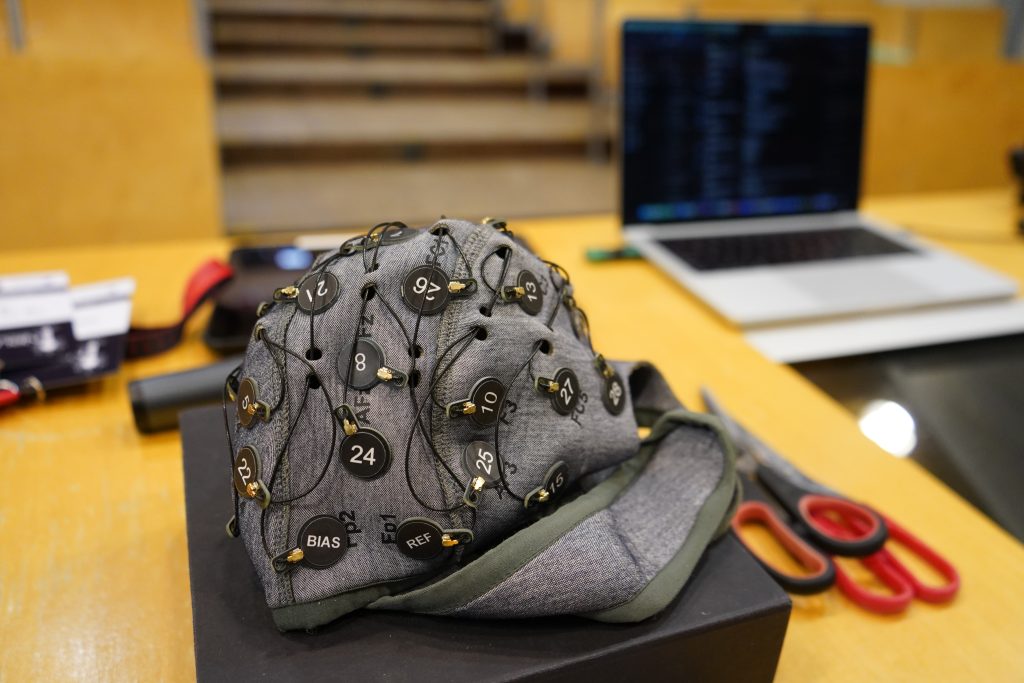
The conference brought together researchers, engineers, and students interested in brain–computer interfaces (BCI), cognitive workload analysis, machine learning applications in biosignal processing, and neurofeedback systems. What stood out immediately was the coherence of the program: each talk complemented the others, forming a consistent narrative around the evolution and current challenges of neurotechnology.
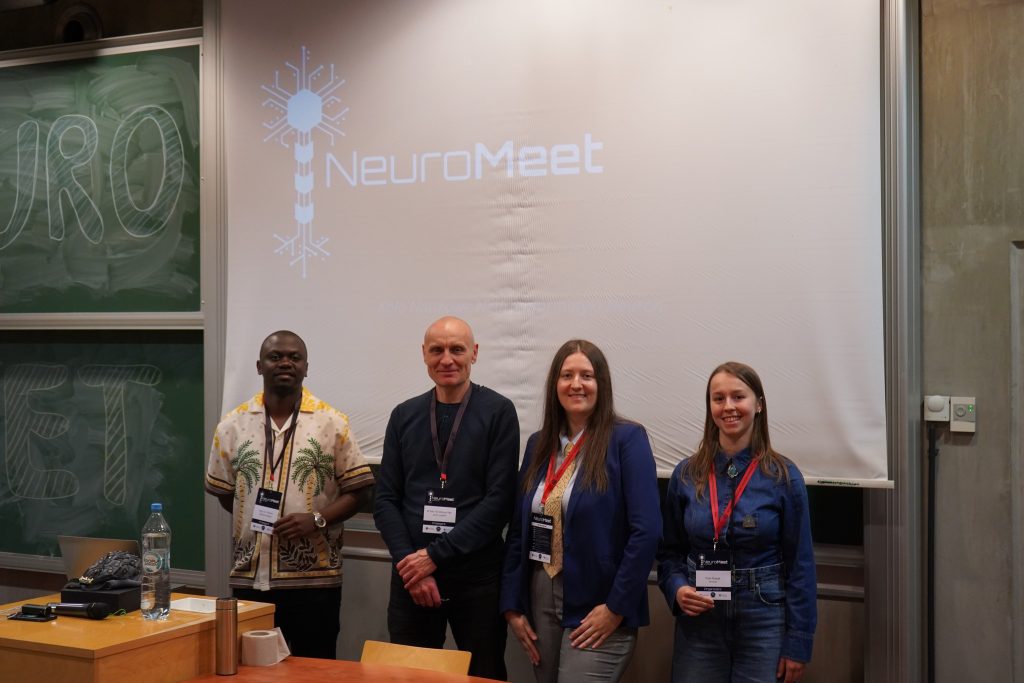
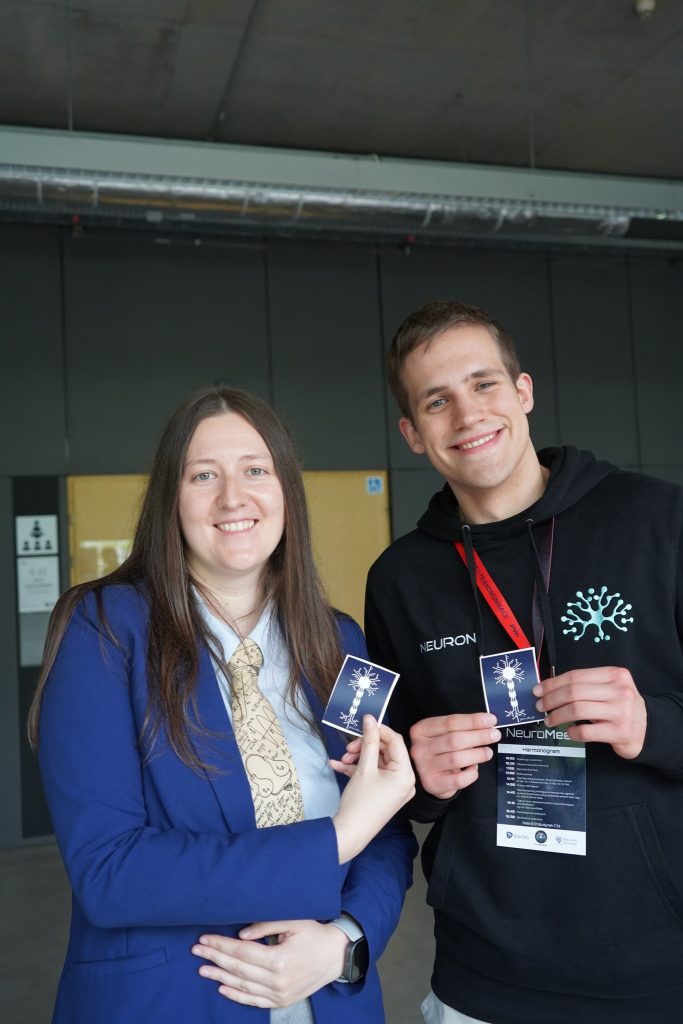
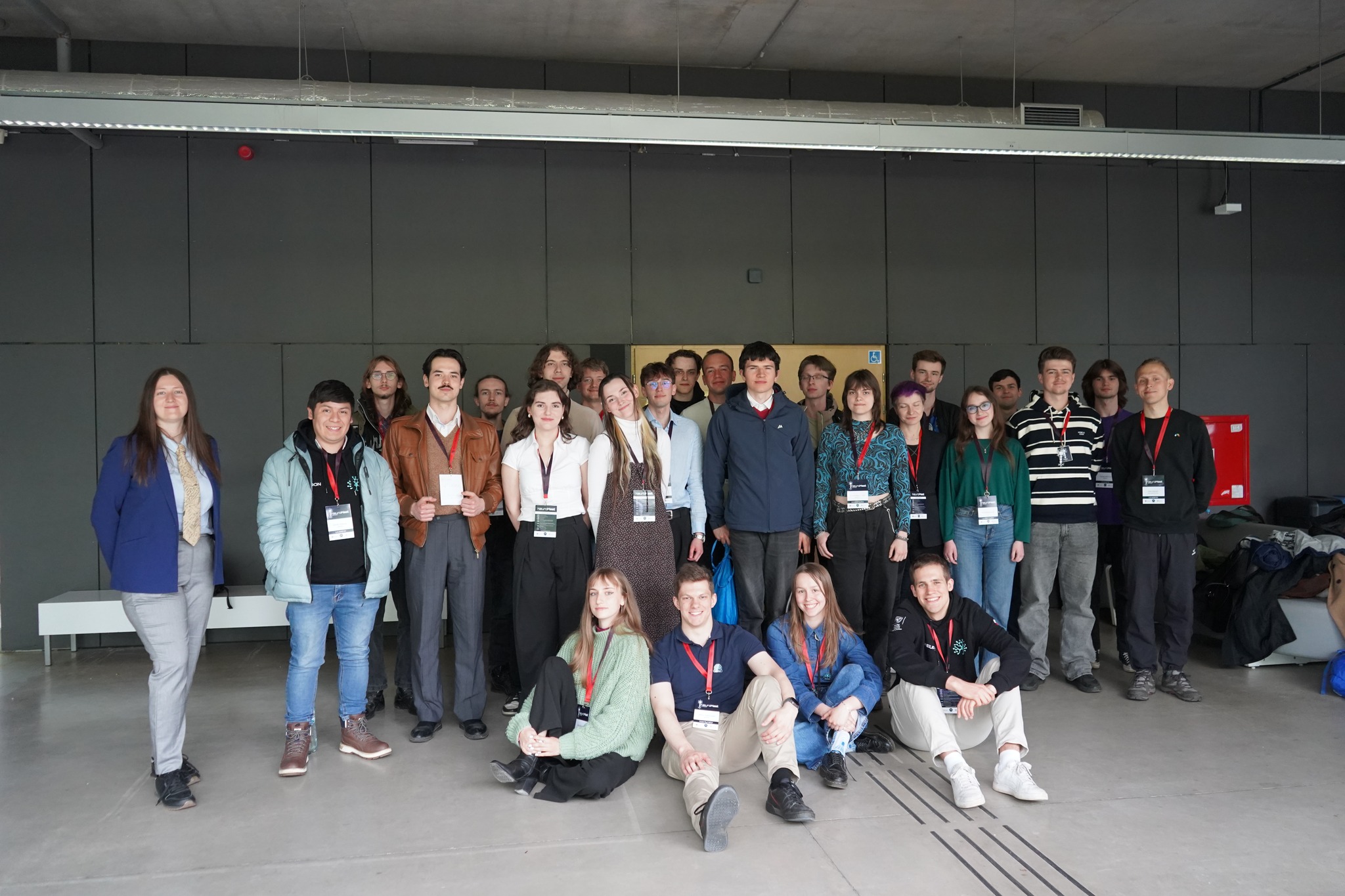
As a speaker, I appreciated both the quality of the organisation and the audience engagement. From an organizational standpoint, NeuroMeet deserves particular recognition. The conference was coordinated by the student team from KN Neuron, and the execution reflected a high level of operational discipline.
It is worth emphasizing that organizing a conference of this scope requires far more than enthusiasm. It demands structured project management, clear division of responsibilities, and the ability to integrate multiple stakeholders—academic staff, external speakers, student participants, and partner organizations. NeuroMeet demonstrated all of these capabilities in practice.
From my perspective, one of the most valuable aspects of the event was its interdisciplinary character. The combination of neuroscience, machine learning, and applied signal analysis creates a space where research ideas can naturally translate into real-world solutions. This is exactly the direction in which neuroinformatics is evolving as a field: from purely academic inquiry toward applied systems with measurable impact in cognitive monitoring, human–machine interaction, and adaptive technologies.
NeuroMeet also succeeded in fostering meaningful professional dialogue. Beyond formal presentations, the discussions during breaks and networking sessions were particularly valuable. These informal exchanges often provide the highest density of insight, especially when participants come from different technical backgrounds but share a common focus on brain-related data and computational modeling.
Overall, NeuroMeet 2026 was a well-executed, content-rich event that reflects a strong and growing academic ecosystem around neuroinformatics and AI-driven neuroscience applications. I would like to acknowledge the organizing team from KN Neuron for delivering a conference that was not only scientifically relevant but also operationally solid and professionally managed.
I look forward to seeing how this initiative develops in the coming years, as the foundation established in this first edition is already strong enough to support a much larger and more ambitious series of events.